
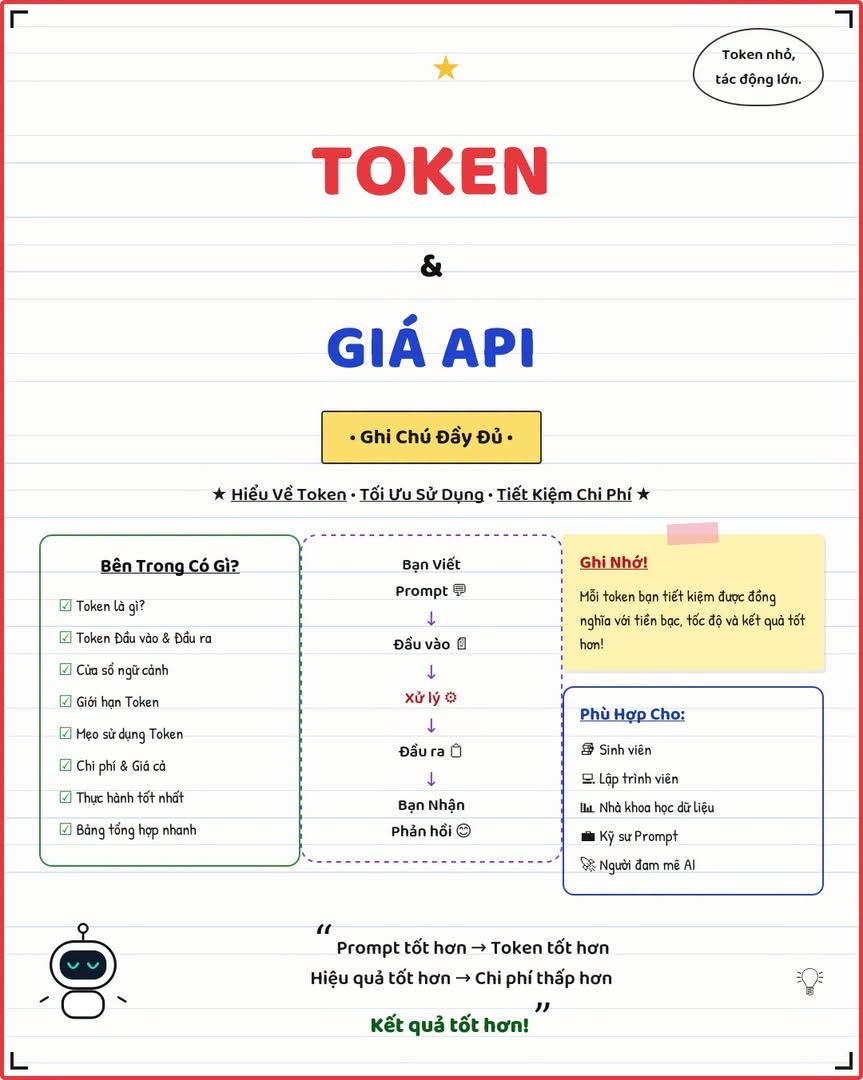
Tokens are one of the most important concepts to understand when working with AI models through APIs. Knowing what tokens are, how AI processes them, and how API providers calculate costs can help you better control your AI expenses.
This is especially important for systems that use AI frequently, such as chatbots, automated content generation, AI agents, and n8n workflows. Optimizing token usage can significantly reduce operating costs while maintaining the quality of AI-generated results.
What Is a Token?
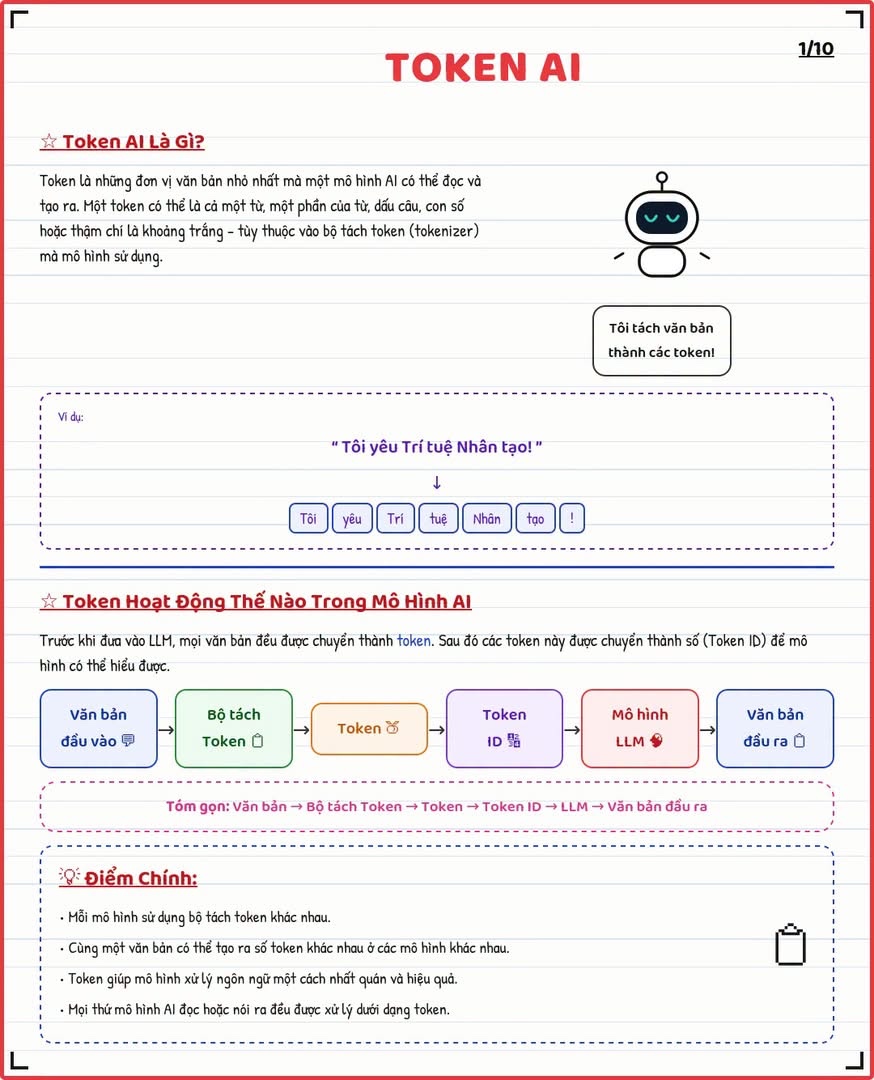
A token is a unit of data that an AI model uses to analyze and process text. Depending on the language and the model’s tokenization method, a token may represent a complete word, part of a word, punctuation, or a group of characters.
In general, the longer the text you send to an AI model, the more tokens it will require. The response generated by the model also consumes tokens.
When using AI through an API, the total token usage is typically calculated from both input tokens and output tokens.
What Is Tokenization?
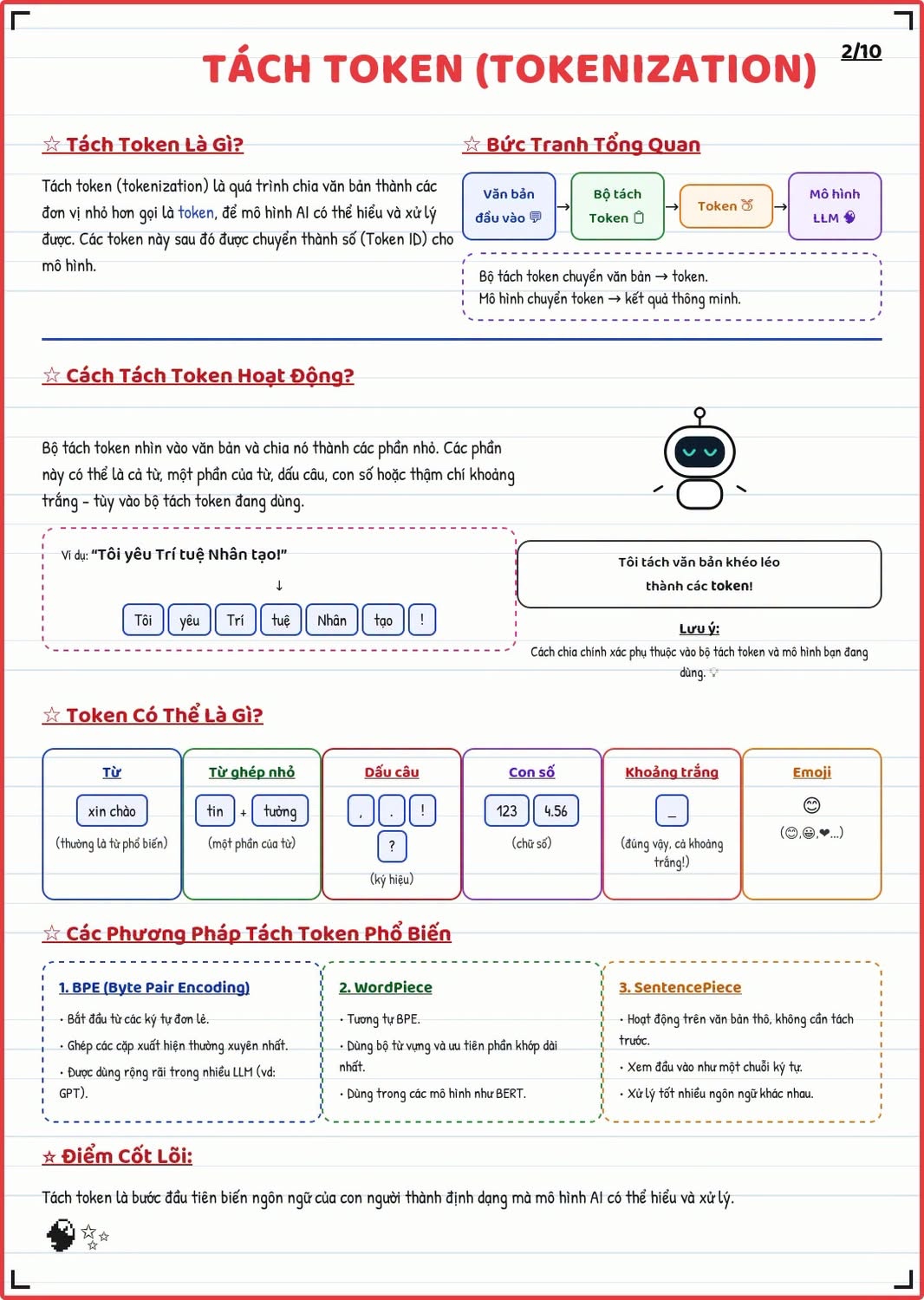
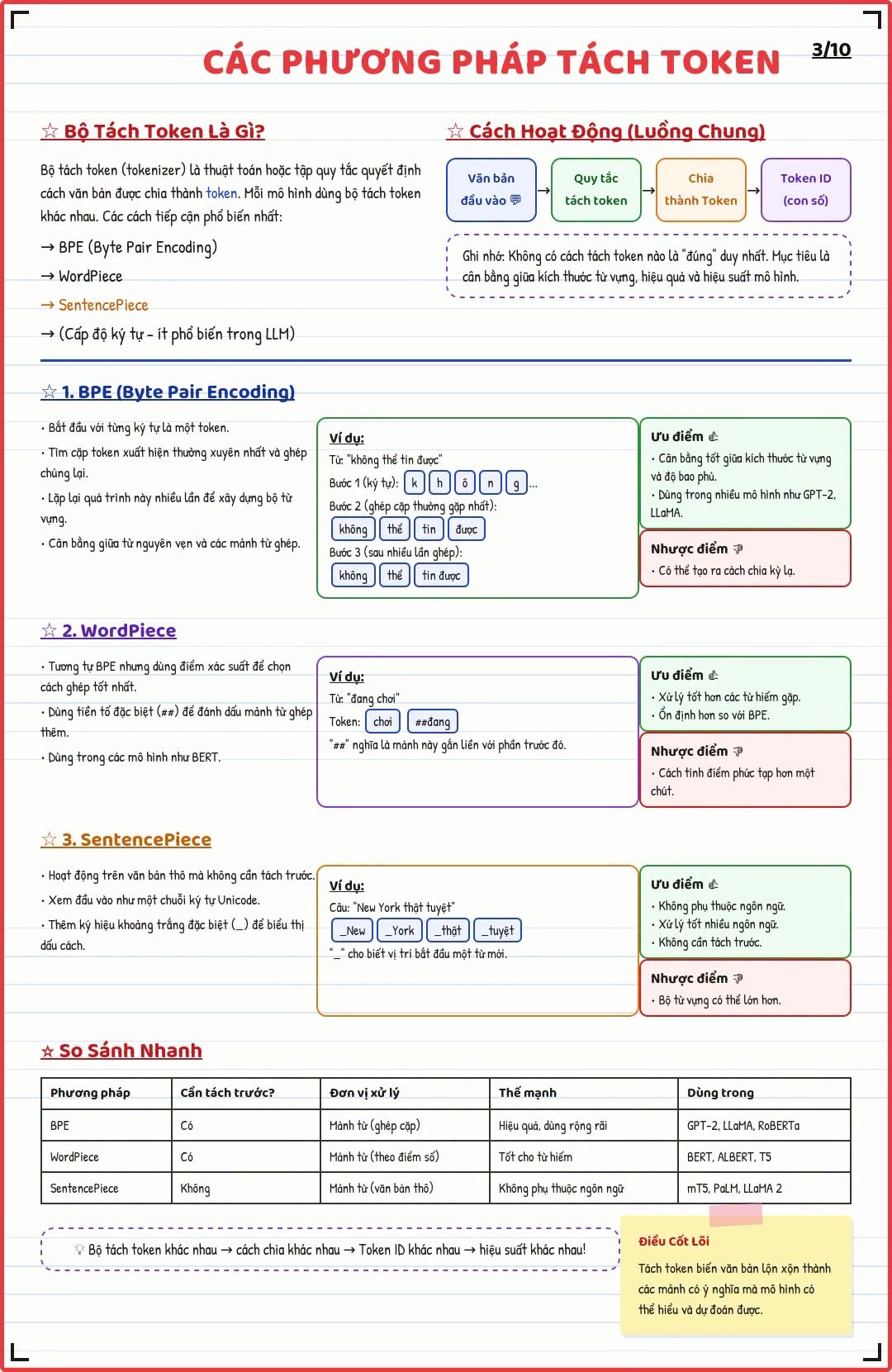
Tokenization is the process of breaking text into smaller units called tokens so that an AI model can process it.
Instead of reading text in exactly the same way humans do, an AI model divides the input into smaller units and converts them into data that can be analyzed and processed.
This is also why two pieces of text with a similar character count may use different numbers of tokens.
Why Do AI APIs Charge by Token?
AI models require significant computational resources to process requests and generate responses. Tokens provide a practical way to measure the amount of data a model needs to process.
API pricing commonly distinguishes between:
- Input tokens: The data you send to the model.
- Output tokens: The data generated by the model.
- Cached tokens: Previously processed data that may be stored in a cache and, depending on the provider, charged at a lower rate.
The exact pricing varies depending on the AI provider and the model being used.
What Is a Context Window?
A context window is the maximum amount of information an AI model can receive and process within a single interaction.
The context does not consist only of your latest question. It may also include:
- System prompts.
- Instructions.
- Conversation history.
- Documents provided to the model.
- Data retrieved from tools or workflows.
- Previous model responses.
The larger the context, the more tokens the model may need to process. For complex AI agents and automation workflows, this can become one of the main factors driving API costs.
How Can You Save Tokens?
Optimizing token usage does not mean removing as much information as possible from your prompts. The goal is to remove unnecessary content while keeping enough information for the AI to perform the task accurately.
1. Keep Prompts Clear and Concise
Instead of writing long instructions that repeat the same requirements, organize your prompt into clear sections.
Less optimized:
Write a really good and engaging article with complete information and make sure it is SEO-friendly. Pay attention to the title, content, keywords, formatting, and…
More optimized:
Write an SEO-friendly article about [topic].
Length: 1,500 words.
Primary keyword: [keyword].
Tone: professional and easy to read.
A clear prompt reduces unnecessary tokens while also making it easier for the model to understand the task.
2. Avoid Repeating Information
If a rule has already been defined in a system prompt or workflow, there is usually no need to send the same instruction again with every request.
Repeated instructions consume additional input tokens and can increase costs over time.
3. Limit Output Length
Not every task requires a long response.
If you only need five ideas, ask the AI to provide exactly five ideas instead of allowing it to generate an unnecessarily long answer.
You can specify:
- Number of results.
- Maximum word count.
- Maximum character count.
- Required output format.
- Number of paragraphs.
4. Choose the Right Model
Not every task requires the most powerful AI model available.
Simple tasks such as data classification, short summaries, or format conversion can often be handled by smaller and more cost-efficient models.
More advanced models can then be reserved for tasks that require complex reasoning.
Choosing the right model helps balance quality, speed, and cost.
5. Optimize the Data You Send to the AI
If a workflow retrieves an entire webpage or document and sends everything to the AI, token usage can increase rapidly.
Instead, filter the data before sending it to the model.
For example, if the AI only needs a page title, main content, and several product details, there is no need to send the entire HTML structure, navigation menu, footer, and other irrelevant elements.
Why Tokens Matter in AI Automation
In automation systems built with platforms such as n8n or Make, a workflow may call an AI model multiple times for a single task.
For example, a workflow might perform:
Retrieve data → Clean data → Analyze → Generate content → Check → Optimize → Publish
If every step sends a large amount of data to the AI, total token usage can increase very quickly.
Therefore, token optimization should be considered at the workflow level, rather than focusing only on individual prompts.
A Simple Way to Think About Cost Optimization
The optimization process can be summarized as:
Better prompts → Less unnecessary token usage → Less processing required → Lower AI costs
However, the ultimate goal is not simply to use the fewest tokens possible.
A prompt that is too short and lacks important information may cause the AI to produce an incorrect result, requiring additional API calls to fix it. In that case, saving tokens on one request could actually increase the total cost.
The most effective approach is therefore to find the right balance between prompt length, output quality, and the number of API calls.
Conclusion
Tokens are fundamental to understanding how AI services process information and calculate costs. By understanding tokenization, context windows, input and output tokens, and API pricing, you can make better decisions when designing prompts and building AI-powered systems.
For projects that use AI at scale, seemingly small improvements—such as removing unnecessary data, shortening prompts, limiting output, or choosing a more appropriate model—can make a significant difference to overall costs.
Understand tokens → Optimize prompts → Optimize workflows → Control AI costs more effectively.
References
These external sources were used to verify the article and provide deeper context.
Source Images
Conclusion
token API cost is most useful when readers understand the technical problem, the practical value, the risks to control, and the evaluation criteria before adoption. A 5ID article should make technology clear, evidence-based, and useful for real decisions.