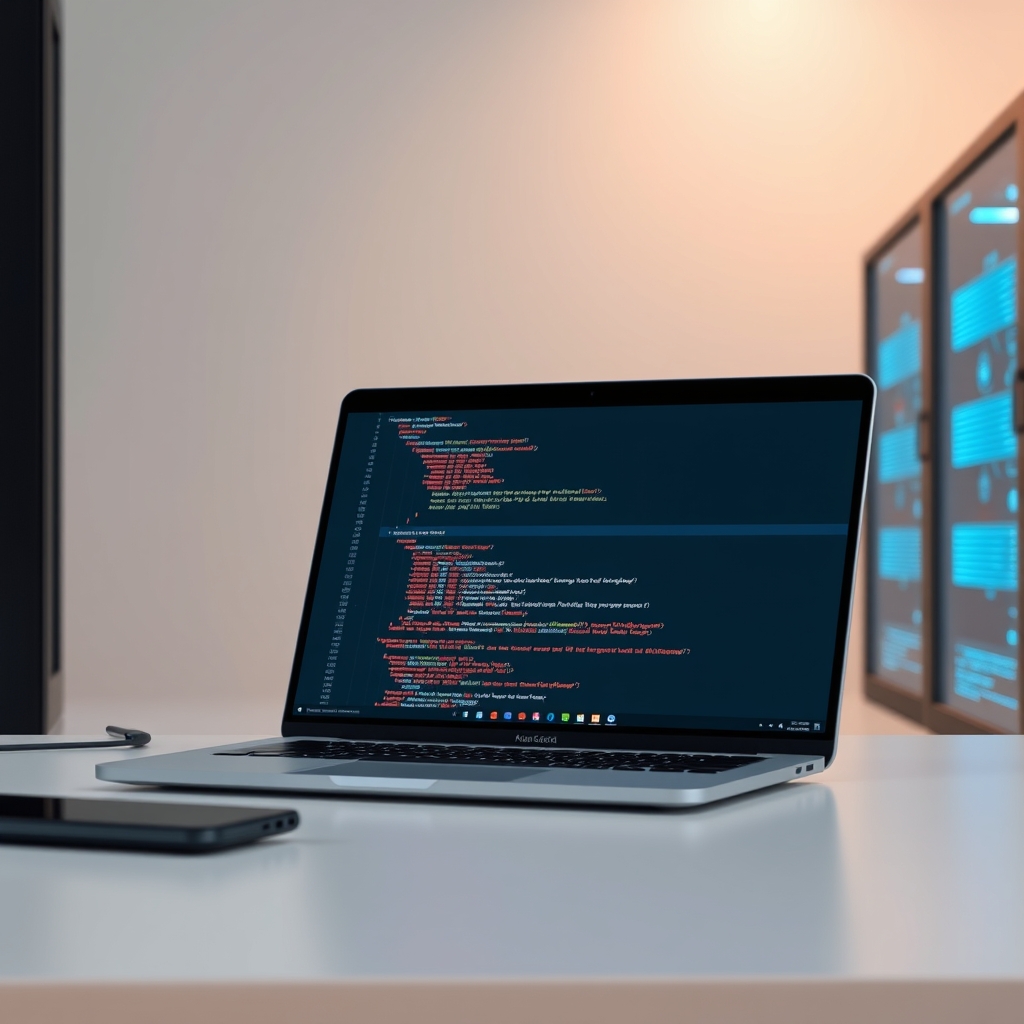
The Master Claude Code repository provides a compact, weekend-length curriculum that walks developers through ten core modules, each designed to unlock a specific capability of Claude's programmable environment.
Master Claude Code Overview
The repo groups the learning path into distinct modules such as Slash Commands, Memory, Skills, Subagents, MCP Protocol, Hooks, Plugins, and Checkpoints. While the list reads like a feature catalog, the real value lies in the concrete use cases the author demonstrates: automated code-review pipelines, prompt-driven CI/CD, self-generated documentation, security audits, and end-to-end DevOps workflows.
Memory: Persistent Context
Memory lets Claude retain conversational context across multiple sessions, enabling a smoother hand-off between prompts and reducing the need to repeat background information.
Skills: Reusable Building Blocks
Skills are self-contained functions that can be called from any prompt. By defining a skill once, developers can invoke it repeatedly, fostering modularity and reducing duplication.
Subagents: Task-Specific Assistants
Subagents act as specialized agents that can be delegated autonomous tasks, such as fetching data or performing routine checks, without manual intervention.
MCP Protocol: Connect GitHub, Database, Filesystem, API
The MCP Protocol is a bridge that lets Claude interact directly with external resources. It supports connections to GitHub repositories, relational databases, local file systems, and arbitrary APIs, turning Claude into a true orchestration layer.
Hooks: Event-Driven Automation
Hooks trigger Claude actions in response to specific events, allowing developers to build reactive workflows that execute automatically when conditions are met.
Plugins: Package Workflows into Installable Units
Plugins encapsulate a complete workflow into a distributable package. This makes it easy to share, version, and deploy complex automation sequences across teams.
Checkpoints: Revert to Previous State When Needed
Checkpoints capture the state of a Claude session at a given moment. If a later step produces undesired results, the workflow can roll back to the saved checkpoint, ensuring safety and repeatability.
The repository does more than teach these features; it showcases what can be built with Claude Code. Example projects include an automated code-review pipeline that scans pull requests, a prompt-driven CI/CD system that triggers builds, tools that automatically write documentation, and security audit scripts that evaluate codebases for vulnerabilities.
Conclusion
Master Claude Code delivers a practical, hands-on guide for developers eager to harness Claude's programmable capabilities within a weekend. By mastering Memory, Skills, MCP Protocol, Plugins, Checkpoints and the surrounding modules, teams can accelerate automation, improve consistency, and reduce manual effort across the software development lifecycle.