Becoming a proficient programmer requires a deep understanding of Data Structures and Algorithms. This fundamental concept is what sets apart a good programmer from a mediocre one. In this article, we will delve into the world of Data Structures and Algorithms, exploring the key concepts, techniques, and tools that every programmer should know.
Introduction to Data Structures
Data structures are the foundation of any programming language, and they play a crucial role in determining the efficiency and scalability of an algorithm. A data structure is a way of organizing and storing data in a computer so that it can be efficiently accessed and modified. There are several types of data structures, including arrays, linked lists, stacks, queues, trees, and graphs. Each data structure has its own strengths and weaknesses, and the choice of which one to use depends on the specific problem being solved.
Understanding Algorithms
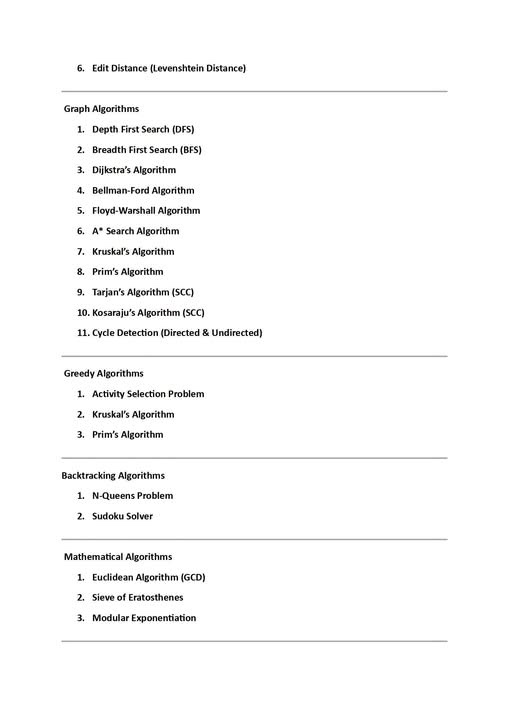
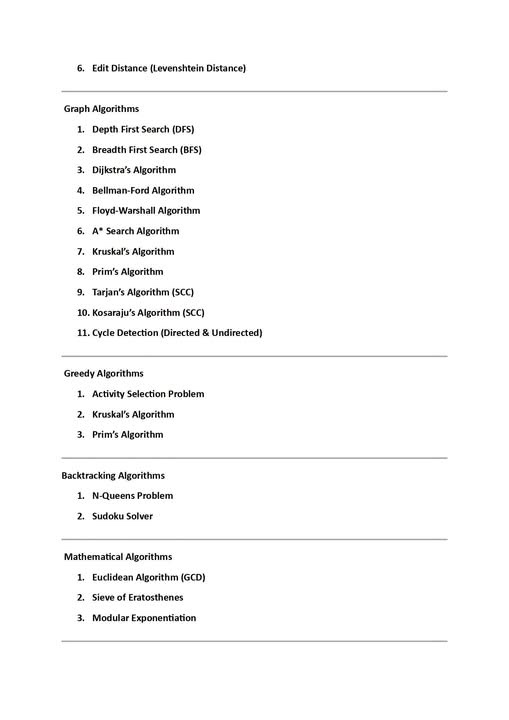
An algorithm is a set of instructions that is used to solve a specific problem. It is a well-defined procedure that takes some input, processes it, and produces a corresponding output. Algorithms can be classified into different types, including sorting algorithms, searching algorithms, graph algorithms, and dynamic programming algorithms. Understanding algorithms is crucial for any programmer, as it allows them to write efficient and effective code.
Key Concepts in Data Structures and Algorithms
There are several key concepts that are essential for mastering Data Structures and Algorithms. These include:
- Big-O notation: This is a way of measuring the complexity of an algorithm, which is the amount of time or space it requires as the size of the input increases.
- Recursion: This is a programming technique where a function calls itself repeatedly until it reaches a base case.
- Dynamic programming: This is a method for solving complex problems by breaking them down into smaller sub-problems and solving each sub-problem only once.
- Greedy algorithms: These are algorithms that make the locally optimal choice at each step, with the hope that these local choices will lead to a globally optimal solution.
Practical Applications of Data Structures and Algorithms
Data Structures and Algorithms have numerous practical applications in computer science and other fields. Some examples include:
- Database query optimization: This involves using algorithms to optimize the performance of database queries, which is critical for large-scale applications.
- Compilers: These are programs that translate source code into machine code, and they rely heavily on Data Structures and Algorithms.
- Networking: This involves using algorithms to route data packets efficiently and reliably over the internet.
- Artificial intelligence: This involves using algorithms to enable machines to learn from data and make decisions.
How Data Structures and Algorithms Works
Data Structures and Algorithms becomes clearer when readers can connect the high-level idea to the underlying workflow. A strong explanation should show the path from input data to useful output, including how information is represented, processed, and evaluated.
For technical readers, the most useful details are the steps that influence quality: data preparation, model architecture, training signals, inference behavior, and feedback loops. Explaining those steps gives the article more depth without forcing beginners into unnecessary jargon.
需要理解的关键组成部分
Most modern AI systems combine several layers: data sources, model architecture, training infrastructure, evaluation methods, and deployment controls. Each layer affects accuracy, latency, cost, and reliability in production.
Readers should also understand the role of prompts, context windows, retrieval systems, monitoring, and human review. These components often decide whether a system is merely impressive in a demo or dependable enough for real workflows.
限制和风险
No technical concept should be presented as magic. The article should explain where the approach can fail, including inaccurate outputs, outdated context, biased data, privacy concerns, unclear evaluation, and operational cost.
These limitations do not make the technology unusable, but they do shape how teams should apply it. Good implementation usually includes validation, logging, security review, and a plan for human oversight when decisions matter.
实用要点
- 在进入架构或实施之前,先从核心概念开始。
- 将每个技术细节与实际用例或决策联系起来。
- 清楚地指出局限性,以便读者知道如何负责任地应用这个想法。
How to Use This Resource Effectively
A useful article about Data Structures and Algorithms should help readers connect the simple explanation, the technical mechanism, and the practical decision they may need to make next. That means the content should not stop at definitions; it should show why the topic matters, where it fits, and how readers can evaluate it responsibly.
For beginners, the most important value is a clear mental model. They should understand the problem the technology solves, the kind of input it receives, the kind of output it produces, and the reason results can vary from one situation to another.
For technical readers, the article should point toward architecture, data quality, evaluation, and deployment tradeoffs. These details explain why two systems with similar demos can behave very differently in production, especially when the data is specialized or the workflow has strict quality requirements.
For business readers, the practical question is not whether the technology is impressive. The better question is whether it can reduce friction, improve decision quality, support a team process, or create a better user experience without adding unacceptable operational risk.
The strongest next step is to compare a short accessible resource with a deeper technical resource, then write down what each one clarifies. That approach gives readers both confidence and caution, which is usually the 正确的 balance for fast-moving technology topics.
Readers should also look for examples that show both successful and difficult cases. A balanced example set makes the article more useful because it reveals the boundary between a clean demonstration and a real operating environment.
Finally, every recommendation should connect back to a practical decision. If the article cannot help someone choose what to learn, test, adopt, avoid, or monitor next, it probably needs more context before publication.
Readers should use the linked source to compare the summary against the original implementation details, especially when architecture, tooling, or deployment steps influence the final decision.
- 用通俗易懂的语言定义核心概念。
- 确定主要技术组件。
- 将想法映射到实际工作流程。
- 在建议采用之前检查限制。
- 使用参考文献来验证重要的声明。
References
These external sources were used to verify the article and provide deeper context.
Source Images

Conclusion
In conclusion, Data Structures and Algorithms are fundamental concepts in computer science, and they are essential for any programmer who wants to write efficient and effective code. By mastering these concepts, programmers can solve complex problems, optimize their code, and create scalable and reliable software systems. Whether you are a beginner or an experienced programmer, understanding Data Structures and Algorithms is crucial for success in the field of computer science.