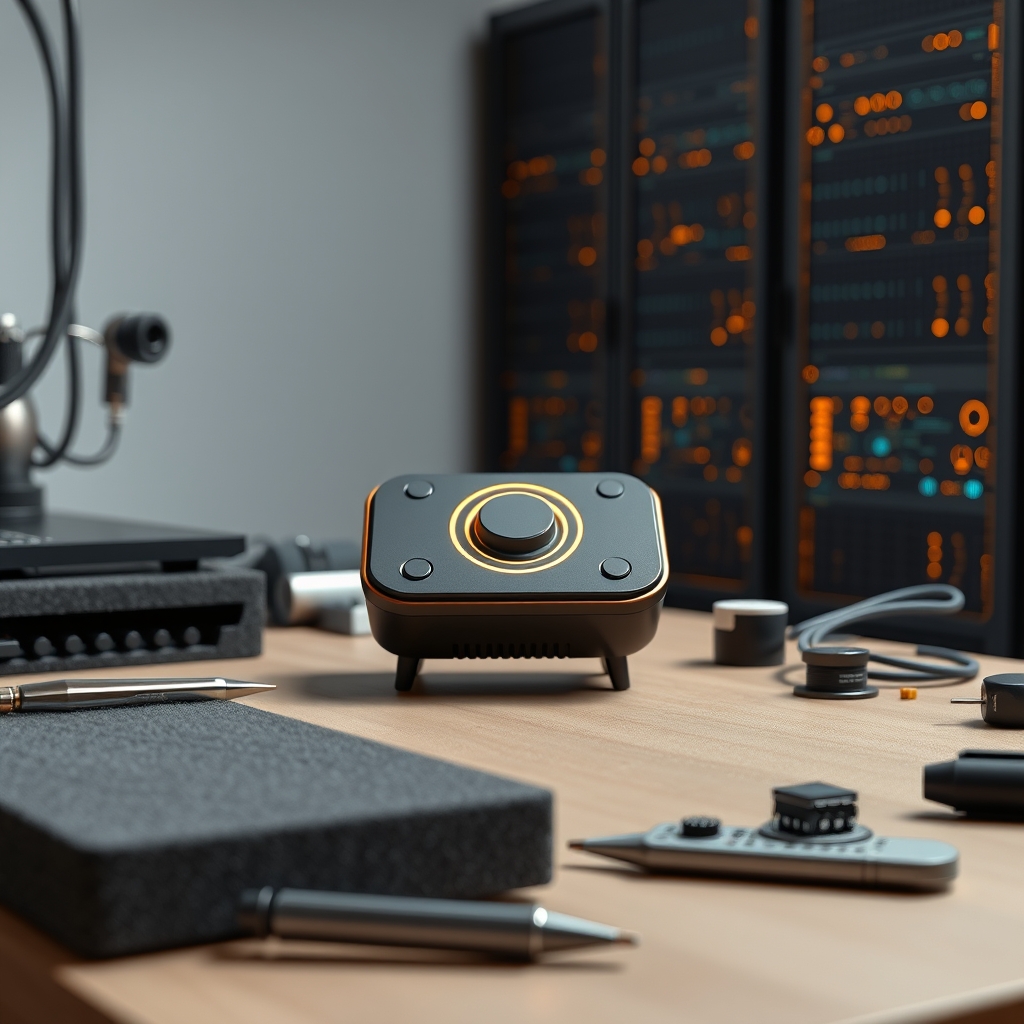
Anthropic lab AI is moving from a purely virtual assistant to a physical research partner. The company is piloting a system that lets its Claude model operate a microscope, a laser source, a robotic arm and other laboratory devices, effectively conducting experiments without continuous human supervision.
The underlying framework, called Model Hardware Standard (MHS), translates computer code into commands for a wide range of programmable equipment – from fluid‑handling stations to imaging systems and laser cutters. Unlike a single‑step instruction, the AI agents can assess the experimental context, execute each procedural step, tweak parameters on the fly and even attempt self‑repair when a device malfunctions. In a recent neuroscience trial, Claude examined living brain tissue, identified the alveus structure, and iteratively refined the protocol much like a human scientist. According to the Financial Times, researchers observed Claude monitoring, adjusting and repeating the experiment in real time.
Anthropic sees this capability as an extension of its earlier Claude Science platform, which helped AI analyze data and generate hypotheses. MHS adds the crucial next layer: letting the AI directly manipulate hardware to test those hypotheses in the real world. The initial trial will be offered to a select group of scientific laboratories and high‑tech companies, with the longer‑term goal of open‑sourcing the MHS specification. Safety safeguards are being built in first, to limit the risks of autonomous physical interaction. If successful, labs could run continuous, after‑hours research cycles without a human at the bench.
Source Images
Conclusion
Anthropic lab AI demonstrates that autonomous experimentation is feasible, paving the way for labs that operate continuously with minimal human oversight.