Spotify token cost reduction cut spend by 90% by sending simple I/O jobs to cheaper models while keeping Claude for complex debugging.
Most of the work performed by a coding agent consists of I/O operations-reading files, writing tests, updating documentation, generating configuration files, and similar tasks. These activities generally do not require deep reasoning capabilities.
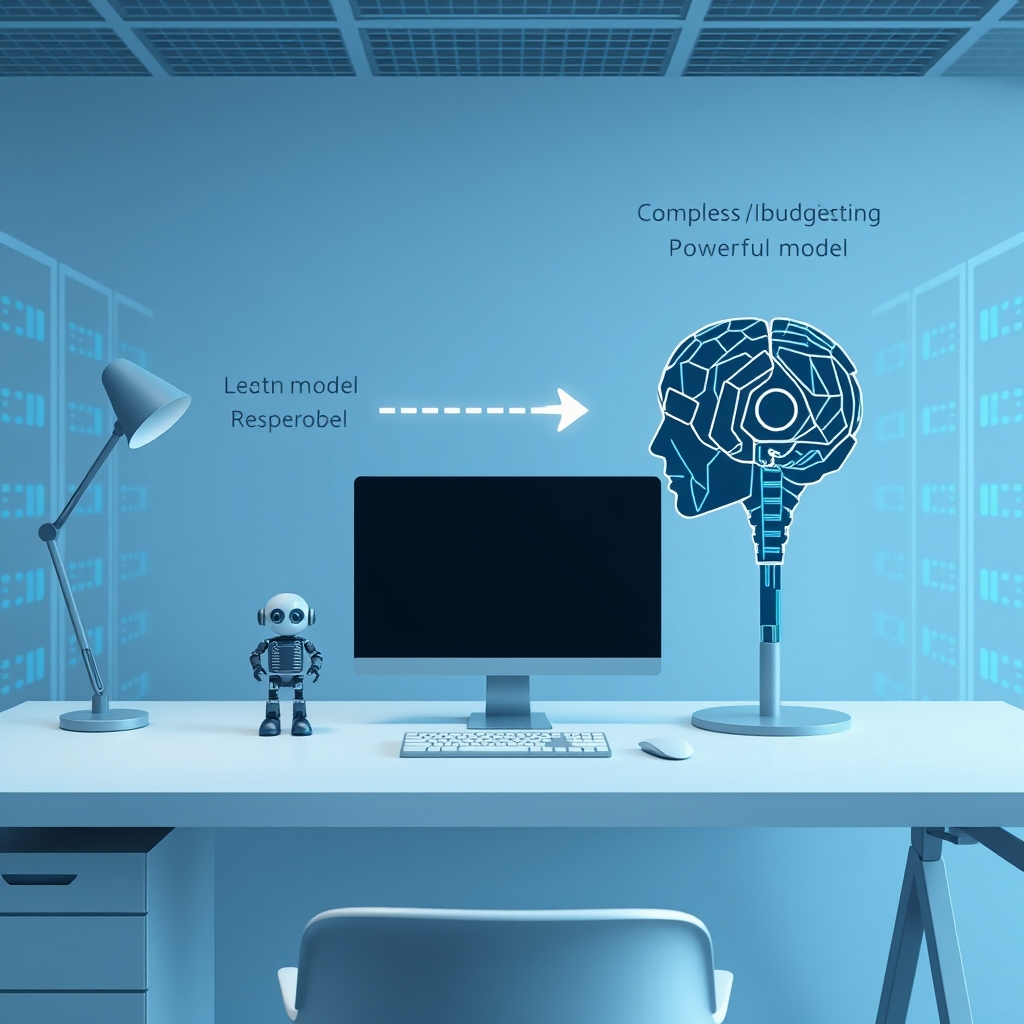
Spotify's solution is straightforward: lightweight I/O tasks are delegated to an inexpensive model such as Gemini 2.5 Flash, while the more capable Claude model is reserved for tasks that need reasoning, such as debugging, code modifications, and architectural design.
The team built a plugin with hooks that intercept direct file-read calls before they execute. The hook forces the appropriate worker model to handle the request, so the system does not merely "advise" Claude to switch to a cheaper model.
This approach does have limits. Subtle issues like thread-safety bugs can slip past the cheaper model, whereas the stronger model is more likely to detect them.
The core idea is simple: let the cheap model handle repetitive, low-complexity work and let the powerful model focus on decisions that truly require reasoning.
The concept is not unique-many engineers already apply similar patterns in their daily workflows. I am sharing it here because the original post generated a lot of engagement on LinkedIn.
Conclusion
Spotify token cost reduction demonstrates that a hybrid model strategy can dramatically lower token expenses while preserving the quality of high-impact coding tasks. By routing routine I/O work to affordable models and reserving Claude for complex reasoning, organizations can achieve substantial cost savings without sacrificing performance.