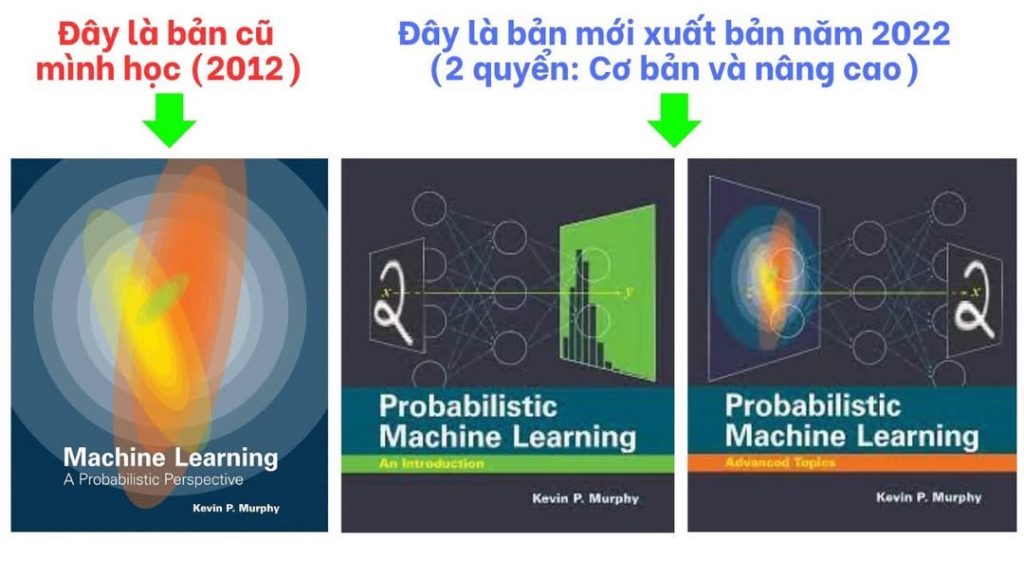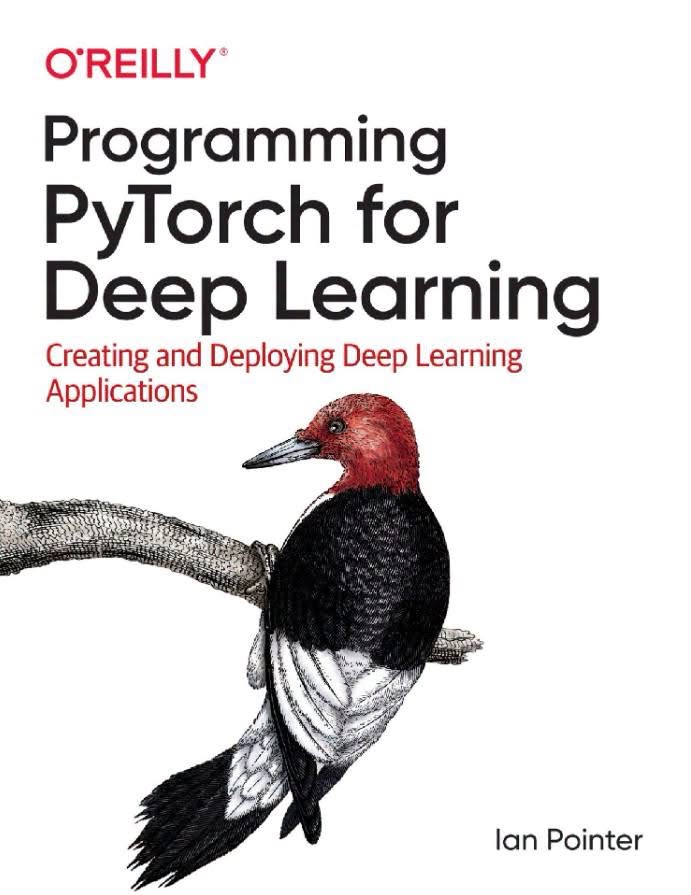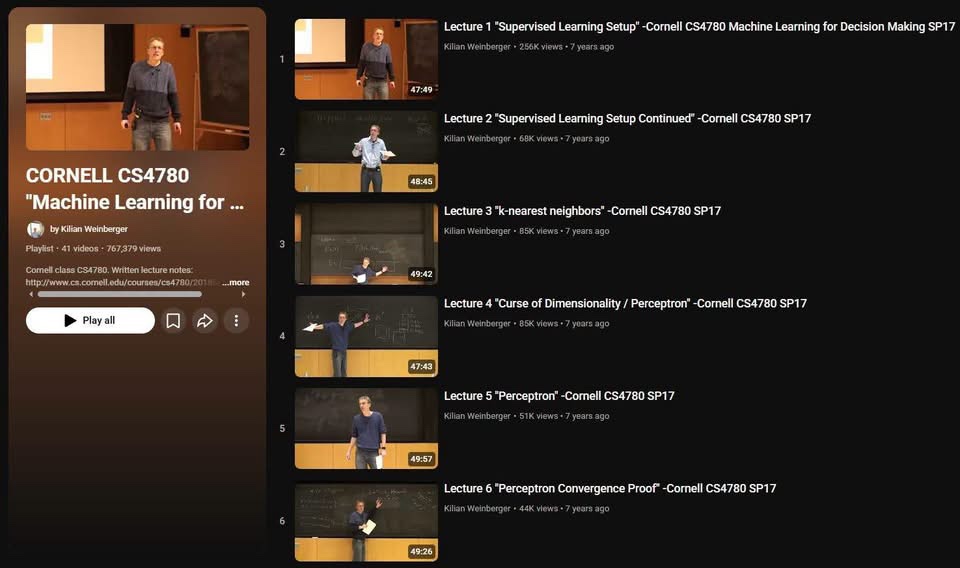
Introducción a los recursos de aprendizaje automático
El campo del aprendizaje automático está evolucionando rápidamente y contar con los recursos adecuados puede marcar la diferencia para mantenerse a la vanguardia. Para aquellos que buscan aprender aprendizaje automático o prepararse para una entrevista de científico de datos, Google ofrece un excelente conjunto de recursos. Los recursos de aprendizaje automático de Google incluyen un curso intensivo que cubre una amplia gama de temas, desde regresión lineal hasta redes neuronales.
Descripción general de los recursos de aprendizaje automático
Los recursos proporcionados por Google están diseñados para ser completos y fáciles de seguir. Cubren los conceptos básicos del aprendizaje automático, que incluyen:
- Regresión lineal: un concepto fundamental en Machine Learning que implica predecir una variable de salida continua en función de una o más características de entrada.
- Regresión logística: un tipo de análisis de regresión utilizado para predecir el resultado de una variable dependiente categórica en función de una o más variables predictoras.
- Clasificación: un tipo de aprendizaje supervisado donde el objetivo es predecir una etiqueta categórica o clase a la que pertenece una instancia.
- Datos Numéricos: manejo y procesamiento de datos numéricos en Machine Learning.
- Datos categóricos: manejo y procesamiento de datos categóricos en Machine Learning.
- Sobreajuste: un problema común en el aprendizaje automático donde un modelo es demasiado complejo y funciona bien con los datos de entrenamiento, pero mal con datos nuevos e invisibles.
- Redes Neuronales: un tipo de modelo de Machine Learning inspirado en la estructura y función del cerebro humano.
- Sistemas de ML de producción: el proceso de implementación de modelos de aprendizaje automático en un entorno de producción.
- AutoML: un tipo de Machine Learning que implica la automatización del proceso de construcción e implementación de modelos de Machine Learning.
- Equidad en el aprendizaje automático: garantizar que los modelos de aprendizaje automático sean justos e imparciales.
Beneficios de los recursos de aprendizaje automático
Los recursos de aprendizaje automático de Google ofrecen varios beneficios, entre ellos:
- Cobertura completa de temas de aprendizaje automático.
- Fácil de seguir y entender.
- Adecuado tanto para principiantes como para practicantes experimentados.
- Gratis y accesible para cualquier persona.
Conclusiones prácticas
Algunas conclusiones prácticas de los recursos de aprendizaje automático incluyen:
- Comprender la importancia del preprocesamiento de datos y la ingeniería de funciones en el aprendizaje automático
- Saber manejar el sobreajuste y el desajuste en modelos de Machine Learning
- Ser capaz de implementar modelos de Machine Learning en un entorno de producción.
- Comprender la importancia de la equidad y el sesgo en el aprendizaje automático
Cómo funcionan los recursos de aprendizaje automático
Los recursos de aprendizaje automático se vuelven más claros cuando los lectores pueden conectar la idea de alto nivel con el flujo de trabajo subyacente. Una explicación sólida debe mostrar el camino desde los datos de entrada hasta los resultados útiles, incluido cómo se representa, procesa y evalúa la información.
Para los lectores técnicos, los detalles más útiles son los pasos que influyen en la calidad: preparación de datos, arquitectura del modelo, señales de entrenamiento, comportamiento de inferencia y ciclos de retroalimentación. Explicar esos pasos le da al artículo más profundidad sin obligar a los principiantes a utilizar una jerga innecesaria.
Componentes clave para comprender
La mayoría de los sistemas de IA modernos combinan varias capas: fuentes de datos, arquitectura del modelo, infraestructura de capacitación, métodos de evaluación y controles de implementación. Cada capa afecta la precisión, la latencia, el costo y la confiabilidad en la producción.
Los lectores también deben comprender el papel de las indicaciones, las ventanas de contexto, los sistemas de recuperación, el seguimiento y la revisión humana. Estos componentes a menudo deciden si un sistema es simplemente impresionante en una demostración o lo suficientemente confiable para flujos de trabajo reales.
Limitaciones y riesgos
Ningún concepto técnico debe presentarse como mágico. El artículo debe explicar dónde puede fallar el enfoque, incluidos resultados inexactos, contexto obsoleto, datos sesgados, preocupaciones sobre la privacidad, evaluaciones poco claras y costos operativos.
Estas limitaciones no hacen que la tecnología sea inutilizable, pero sí determinan cómo los equipos deben aplicarla. Una buena implementación suele incluir validación, registro, revisión de seguridad y un plan de supervisión humana cuando las decisiones son importantes.
Cómo utilizar este recurso de forma eficaz
A useful article about Recursos de aprendizaje automático should help readers connect the simple explanation, the technical mechanism, and the practical decision they may need to make next. That means the content should not stop at definitions; it should show why the topic matters, where it fits, and how readers can evaluate it responsibly.
Para los principiantes, el valor más importante es un modelo mental claro. Deben comprender el problema que resuelve la tecnología, el tipo de entrada que recibe, el tipo de salida que produce y la razón por la que los resultados pueden variar de una situación a otra.
Para los lectores técnicos, el artículo debe señalar las ventajas y desventajas de la arquitectura, la calidad de los datos, la evaluación y la implementación. Estos detalles explican por qué dos sistemas con demostraciones similares pueden comportarse de manera muy diferente en producción, especialmente cuando los datos son especializados o el flujo de trabajo tiene requisitos de calidad estrictos.
Para los lectores de negocios, la cuestión práctica no es si la tecnología es impresionante. La mejor pregunta es si puede reducir la fricción, mejorar la calidad de las decisiones, respaldar un proceso de equipo o crear una mejor experiencia de usuario sin agregar un riesgo operativo inaceptable.
El siguiente paso más sólido es comparar un recurso breve y accesible con un recurso técnico más profundo y luego escribir lo que aclara cada uno. Ese enfoque brinda a los lectores confianza y precaución, que suele ser el equilibrio adecuado para temas tecnológicos que cambian rápidamente.
Los lectores también deberían buscar ejemplos que muestren casos tanto exitosos como difíciles. Un conjunto de ejemplos equilibrado hace que el artículo sea más útil porque revela el límite entre una demostración limpia y un entorno operativo real.
Finalmente, cada recomendación debe conectarse con una decisión práctica. Si el artículo no puede ayudar a alguien a elegir qué aprender, probar, adoptar, evitar o monitorear a continuación, probablemente necesite más contexto antes de su publicación.
Los lectores deben utilizar la fuente vinculada para comparar el resumen con los detalles de la implementación original, especialmente cuando la arquitectura, las herramientas o los pasos de implementación influyen en la decisión final.
- Defina el concepto central en un lenguaje sencillo.
- Identificar los principales componentes técnicos.
- Asigne la idea a flujos de trabajo reales.
- Verifique las limitaciones antes de recomendar la adopción.
- Utilice referencias para verificar afirmaciones importantes.
Referencias
Estas fuentes externas se utilizaron para verificar el artículo y proporcionar un contexto más profundo.
- Fuente: Desarrolladores Googleregresión lineal - Desarrolladores GoogleAbrir recurso original
- Fuente: Desarrolladores Googleregresión logística - Desarrolladores GoogleAbrir recurso original
- Fuente: Desarrolladores Googleclasificación - Desarrolladores GoogleAbrir recurso original
- Fuente: Desarrolladores Googledatos numéricos - Desarrolladores GoogleAbrir recurso original
- Fuente: Desarrolladores Googledatos categóricos - Desarrolladores GoogleAbrir recurso original
- Fuente: Desarrolladores Googleoverfitting - Desarrolladores GoogleAbrir recurso original
- Fuente: Desarrolladores Googleredes neuronales - Desarrolladores GoogleAbrir recurso original
- Fuente: Desarrolladores Googlesistemas ml de producción - Desarrolladores GoogleAbrir recurso original
- Fuente: Desarrolladores Googleautoml - Desarrolladores GoogleAbrir recurso original
- Fuente: Desarrolladores Googleimparcialidad - Desarrolladores GoogleAbrir recurso original
Conclusion
En conclusión, los recursos de aprendizaje automático de Google son un recurso excelente para cualquiera que busque aprender aprendizaje automático o prepararse para una entrevista de científico de datos. Con su amplia cobertura de temas de aprendizaje automático y su facilidad de uso, son un recurso invaluable para cualquier persona en el campo.