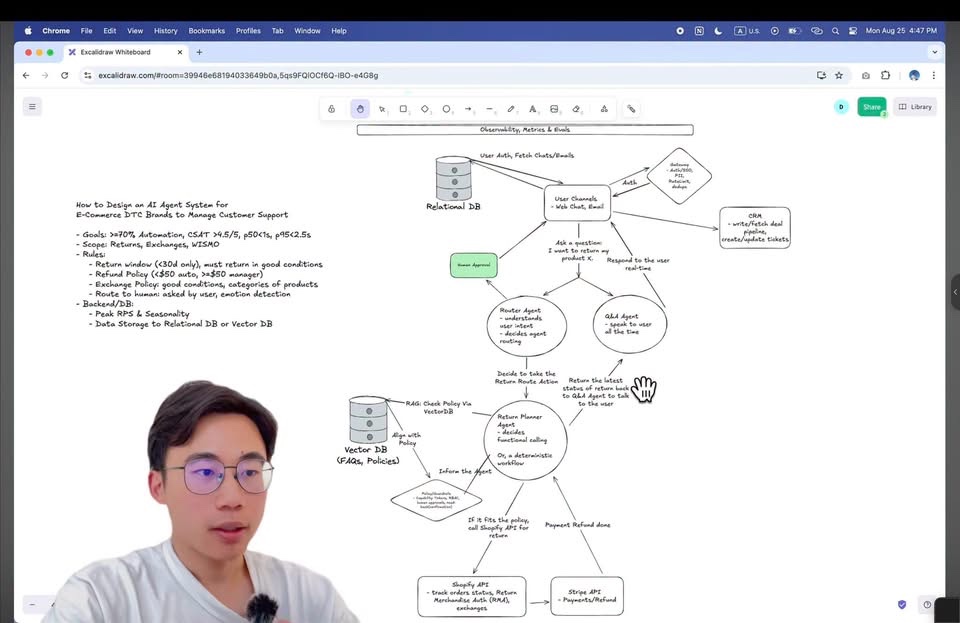
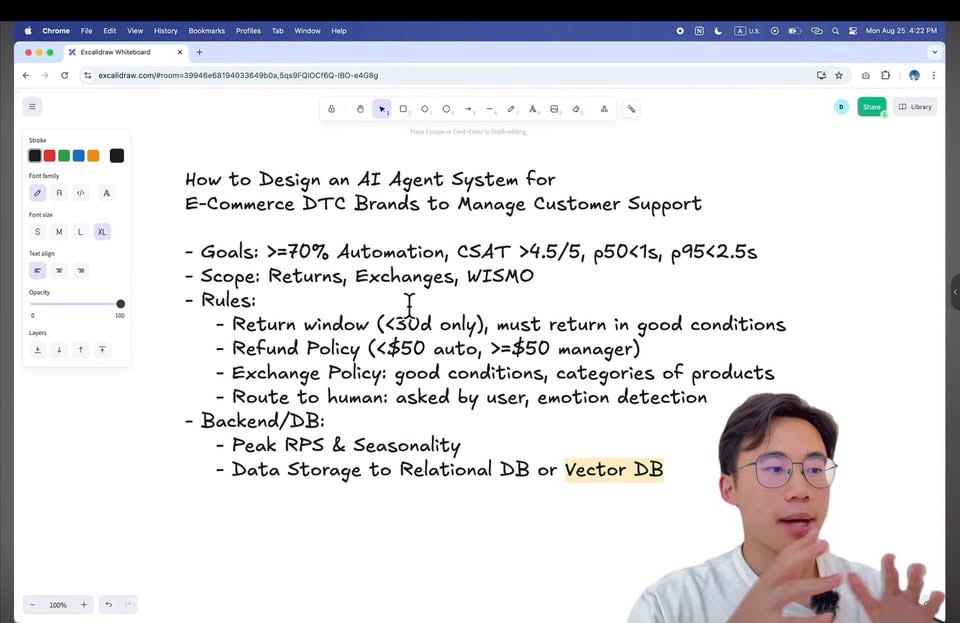
When it comes to designing an AI agent system for a Direct-to-Consumer (D2C) e-commerce platform, the goal is to create a seamless and efficient customer support experience. In a recent video, a Google engineer shared a comprehensive guide on how to design an AI agent system that can automate up to 70% of customer interactions, respond in under 1 second, and achieve a customer satisfaction rate of over 4.5/5.
AI代理系统设计简介
The first step in designing an AI agent system is to define the objectives and scope of the project. In this case, the primary goals are to automate a significant portion of customer support, provide fast response times, and ensure high customer satisfaction. The system should be able to handle three primary tasks: returns, exchanges, and order status inquiries.
Defining the System's Rules and Policies
To create an effective AI agent system, it's essential to establish clear rules and policies that govern its behavior. This includes defining the return, refund, and exchange policies, as well as determining when to escalate issues to human customer support. For instance, the system should be able to automatically process returns within 30 days, provided the product is in good condition.
系统架构
The AI agent system consists of several components, including:
- 用户渠道:客户通过网站聊天或电子邮件与系统交互的地方
- 网关:处理身份验证、速率限制和 PII 保护的安全层
- 关系数据库:存储结构化数据,例如客户信息和订单历史记录
- 问答代理:客户与系统之间的主要接口,负责响应查询并将问题路由给相关规划代理
- Router agent: directs issues to the appropriate planner agent based on the customer's intent
- 计划代理:处理特定任务的专门代理,例如退货、换货和订单状态查询
向量数据库和RAG
To enable the planner agents to make informed decisions, a vector database and RAG (Retrieve, Augment, Generate) framework are used. This allows the system to store and retrieve policy information, such as return and exchange policies, and perform semantic searches to determine the relevance of customer inquiries.
函数调用和 API
Once the planner agent has determined the appropriate course of action, it calls the relevant APIs to execute the task. For example, it may use the Shopify API to retrieve order information or the Stripe API to process refunds.
可观察性和评估
To ensure the system is meeting its objectives, it's crucial to monitor key metrics, such as automation rates, response times, and customer satisfaction. The system should also log agent runs, tool calls, and errors to facilitate debugging and improvement.
要点
Designing an AI agent system for D2C e-commerce customer support requires careful consideration of the system's objectives, rules, and policies. By leveraging a combination of natural language processing, machine learning, and APIs, it's possible to create a system that automates a significant portion of customer interactions, provides fast response times, and achieves high customer satisfaction.
AI 代理系统设计如何工作
当读者能够将高层想法与底层工作流程联系起来时,人工智能代理系统设计就会变得更加清晰。强有力的解释应该显示从输入数据到有用输出的路径,包括如何表示、处理和评估信息。
对于技术读者来说,最有用的细节是影响质量的步骤:数据准备、模型架构、训练信号、推理行为和反馈循环。解释这些步骤可以使文章更加深入,而不会迫使初学者使用不必要的术语。
Limitations and Risks
任何技术概念都不应该被视为魔法。文章应解释该方法可能失败的地方,包括不准确的输出、过时的背景、有偏见的数据、隐私问题、不明确的评估和运营成本。
这些限制并不会使该技术无法使用,但它们确实决定了团队应如何应用它。良好的实施通常包括验证、日志记录、安全审查以及在决策重要时进行人工监督的计划。
How to Use This Resource Effectively
一篇关于人工智能代理系统设计的有用文章应该帮助读者将简单的解释、技术机制以及他们下一步可能需要做出的实际决策联系起来。这意味着内容不应停留在定义上;它应该说明为什么这个主题很重要,它适合什么地方,以及读者如何负责任地评估它。
对于初学者来说,最重要的价值是清晰的心智模型。他们应该了解该技术解决的问题、它接收的输入类型、它产生的输出类型,以及原因结果可能因情况而异。
对于技术读者来说,本文应该指出架构、数据质量、评估和部署权衡。这些细节解释了为什么具有相似演示的两个系统在生产中的表现可能截然不同,特别是当数据专门化或工作流程具有严格的质量要求时。
对于商业读者来说,实际问题不在于该技术是否令人印象深刻。更好的问题是它是否可以减少摩擦、提高决策质量、支持团队流程或在不增加不可接受的运营风险的情况下创造更好的用户体验。
下一步最有力的步骤是将简短的可访问资源与更深层次的技术资源进行比较,然后写下每个资源澄清的内容。这种方法让读者既充满信心又保持谨慎,这通常是快速发展的技术主题的正确平衡。
读者还应该寻找展示成功案例和困难案例的例子。平衡的示例集使本文更有用,因为它揭示了干净的演示和真实操作环境之间的界限。
最后,每项建议都应该与实际决策联系起来。如果这篇文章无法帮助某人选择接下来要学习、测试、采用、避免或监控的内容,那么在发表之前可能需要更多背景信息。
读者应使用链接的源代码将摘要与原始实现细节进行比较,特别是当架构、工具或部署步骤影响最终决策时。
- 用通俗易懂的语言定义核心概念。
- 确定主要技术组件。
- 将想法映射到实际工作流程。
- 在建议采用之前检查限制。
- 使用参考文献来验证重要的声明。
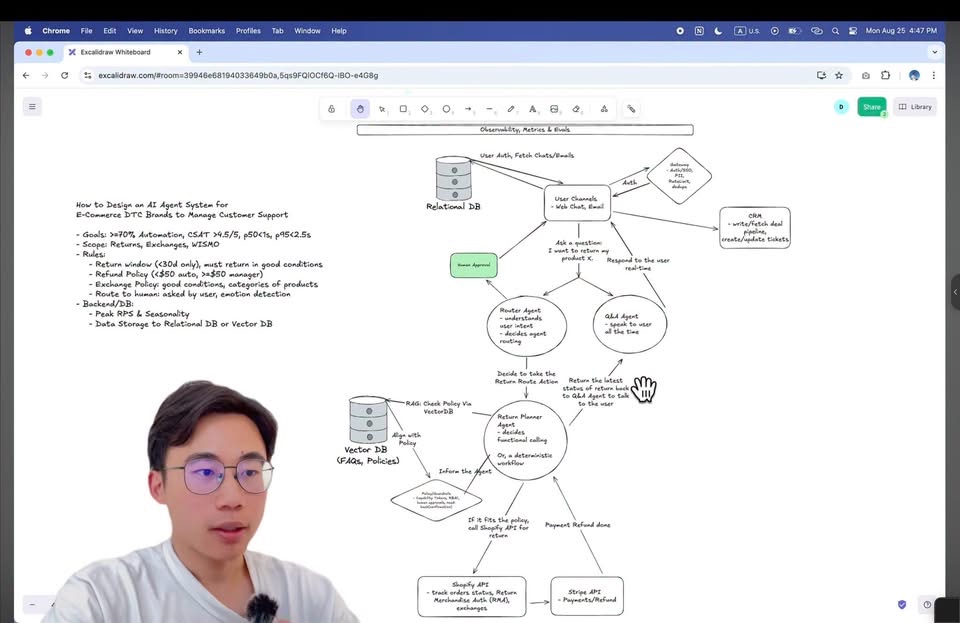
Source Images
Conclusion
In conclusion, designing an effective AI agent system for D2C e-commerce customer support requires a deep understanding of the system's objectives, rules, and policies. By following the principles outlined in this article, businesses can create a seamless and efficient customer support experience that meets the needs of their customers. For more information, please visit @@N8NLINK0@@.