Mathematics: When Numbers Come Alive
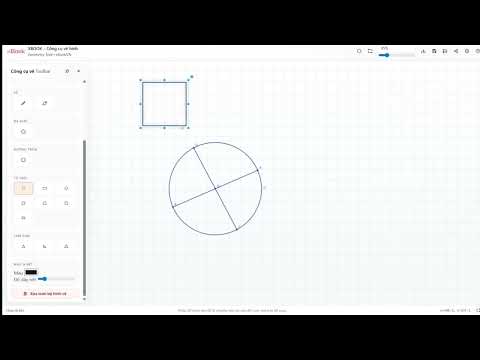
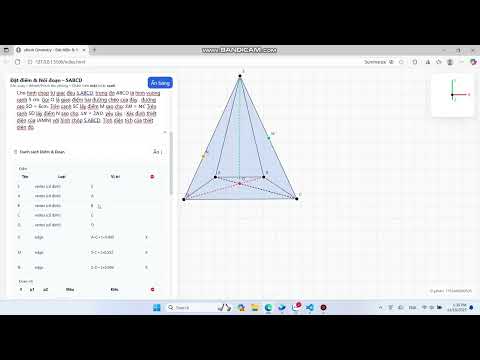
Previously, y = ax² + bx + c was just a static symbol on paper. With xBook, students drag variables and instantly observe the visual changes.
Formulas become objects you can directly manipulate
Change a variable — instantly see the result change
Understand relationships dialectically, not just right/wrong
Before & After xBook
Before
Students stare at a static graph, trying to guess how it changes as variables shift.
With xBook
Drag a slider, the graph changes instantly. Students discover the rule themselves.
Science: Beyond Physical Limits
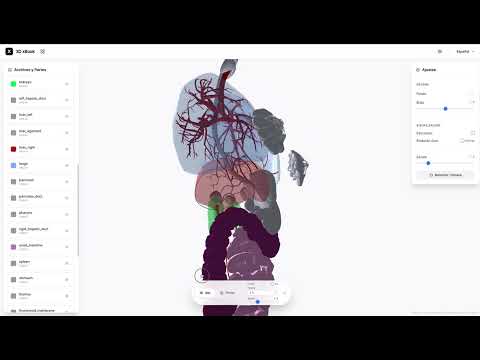
Physics, Chemistry, Biology — the invisible, dangerous, or microscopic are all simulated visually, safely, and repeatably.
Observe phenomena and laws visually
Full reaction sequences — including the invisible
Experiment repeatedly with no cost or risk
Before & After xBook
Before
Experiments are limited by equipment, time, and danger. Students read descriptions — most can't visualize them.
With xBook
3D simulations of chemical reactions, cell structures, and physical motion. Safe trial and error, repeatable as many times as needed.
Technology & Engineering: Systems Thinking
Connect textbook theory to real-world situations. Develop problem-solving and design thinking skills.
Link theory to specific real-world situations
Develop problem-solving and design thinking
Build systems thinking from an early age
Before & After xBook
Before
Circuit theory and machine mechanisms exist only on paper.
With xBook
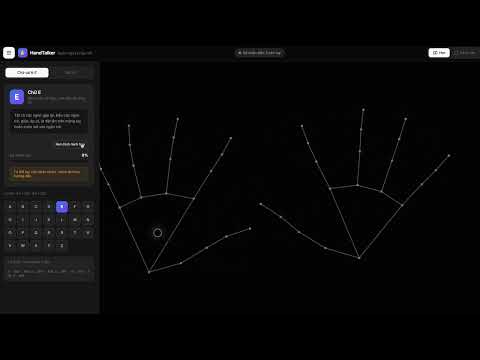
Interactive simulations let students assemble, test, and observe systems operating in real time.
Arts: Creativity Alongside Logic
xBook combines visuals, motion, and design to stimulate multiple senses — developing both logical and imaginative thinking.
Visuals and motion stimulate multiple senses
Develop holistic thinking: rigorous logic and creativity
Art and science intersect naturally
Before & After xBook
Before
Art lessons are often isolated from other subjects.
With xBook
Design, music, and motion become the language of learning. Art is used to explain and remember scientific knowledge.